
Digital care with clinical oversight
Digital technology connects clinical assessment, intraoral scanning, design and manufacturing in a controlled restorative workflow. At our clinic, we use CAD-CAM for selected restorations, with same-day completion available where appropriate following an individual clinical assessment.
From assessment to the final restoration
Clinical assessment and treatment planning
We assess the teeth, bite and your individual needs before selecting an appropriate approach.
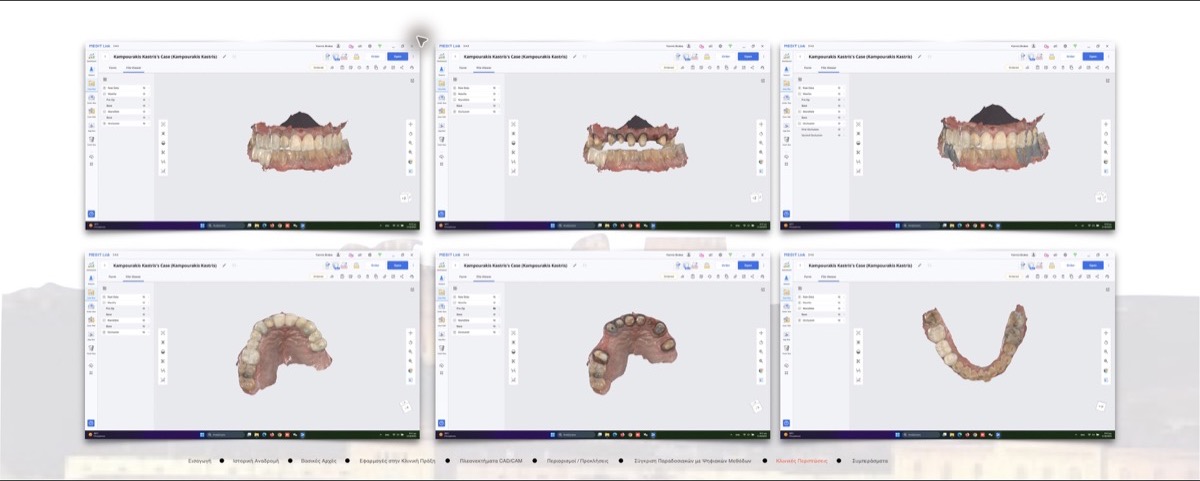
Digital scanning
We digitally record the teeth and the anatomical relationships needed for planning.
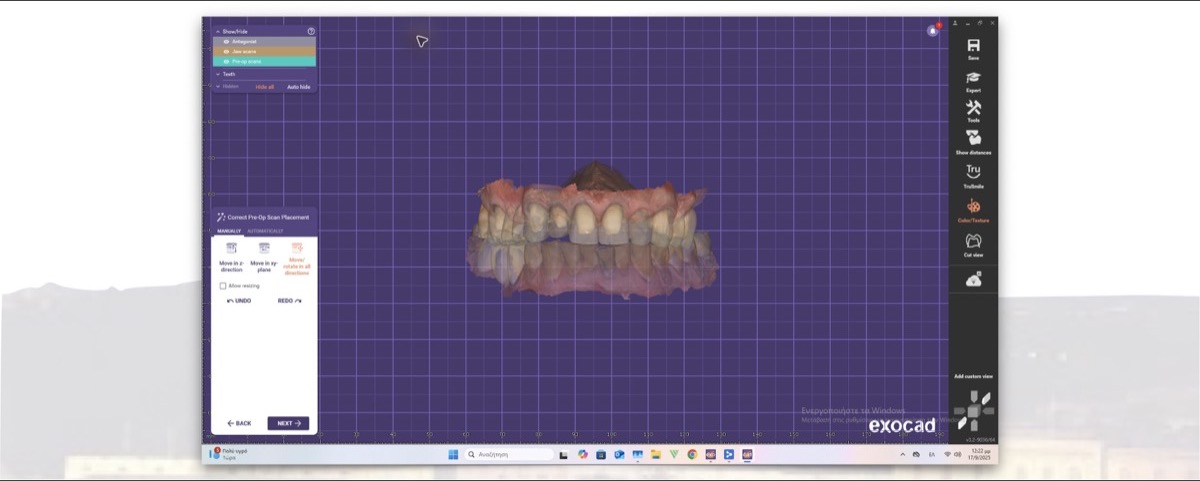
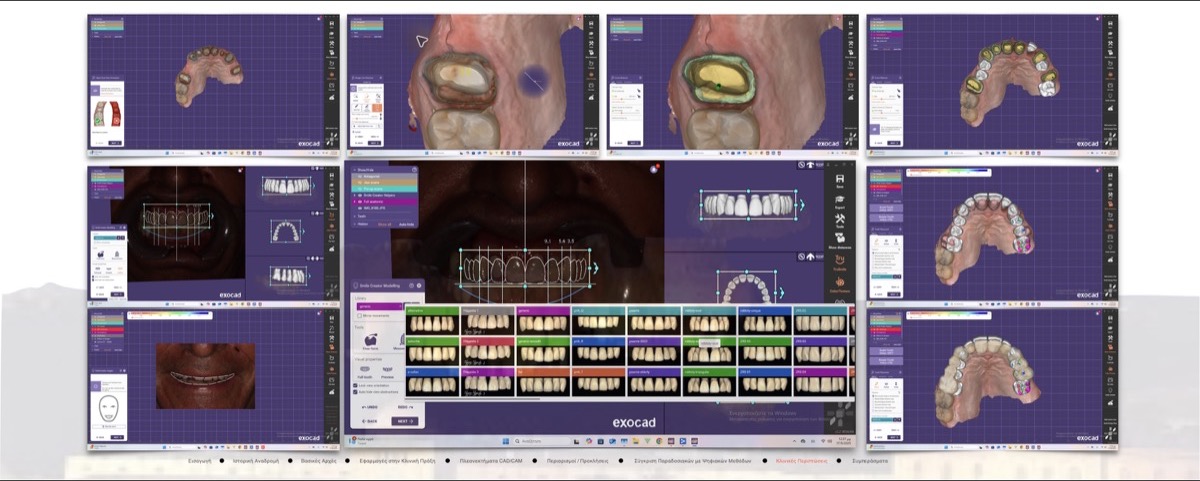
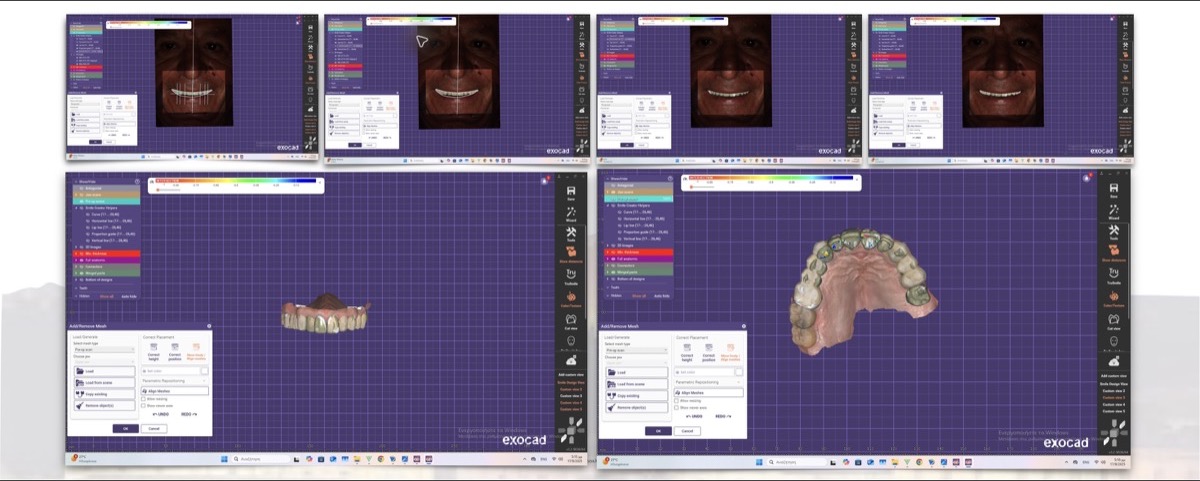
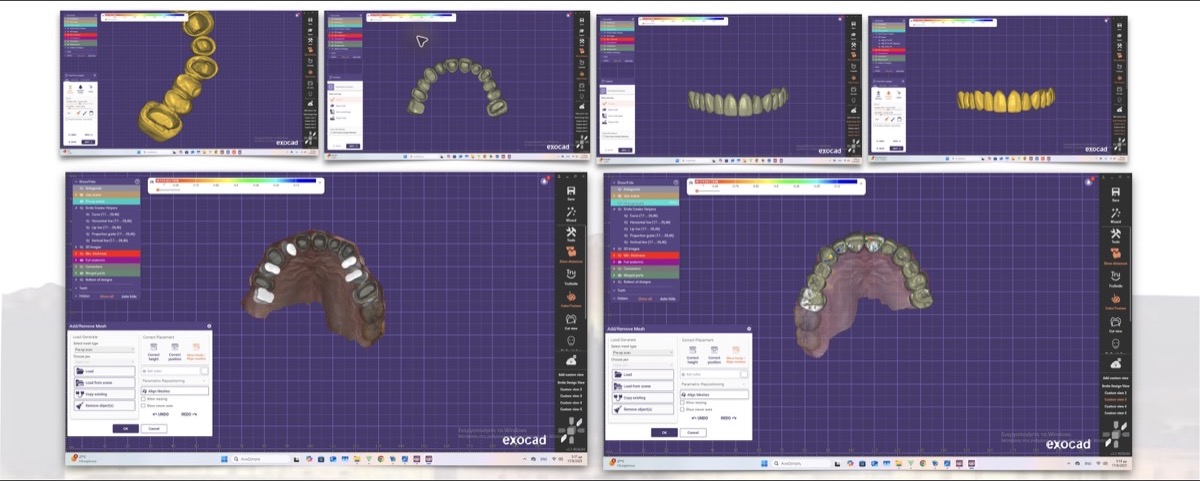
Design in exocad
The restoration is designed using the digital model. The software supports the workflow; clinical decisions and final assessment remain the dentist’s responsibility.
Provisional restoration, when required
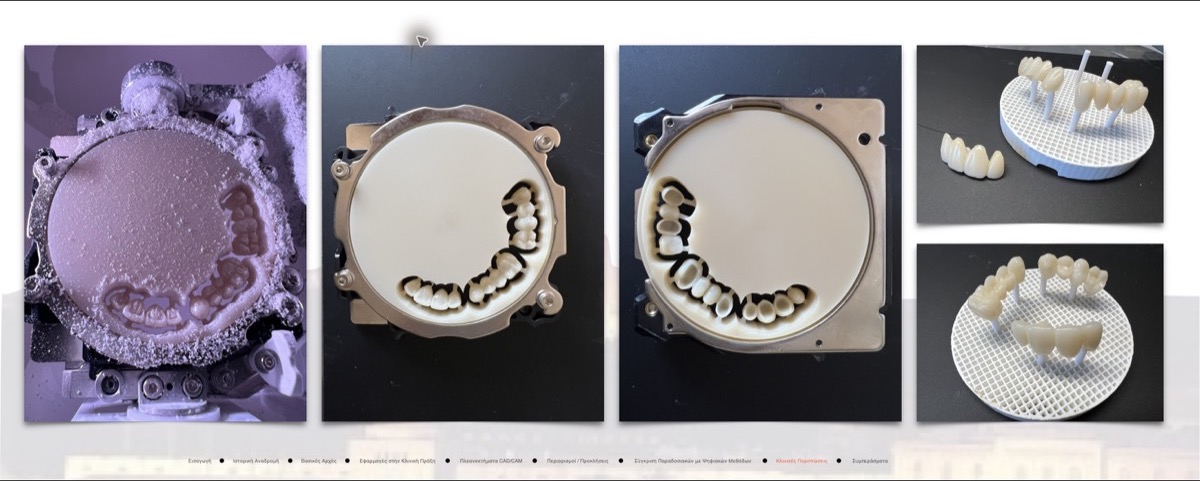
In complex cases, a PMMA provisional restoration may be used to assess shape, function and aesthetics before the definitive restoration is made.
Material-specific manufacturing
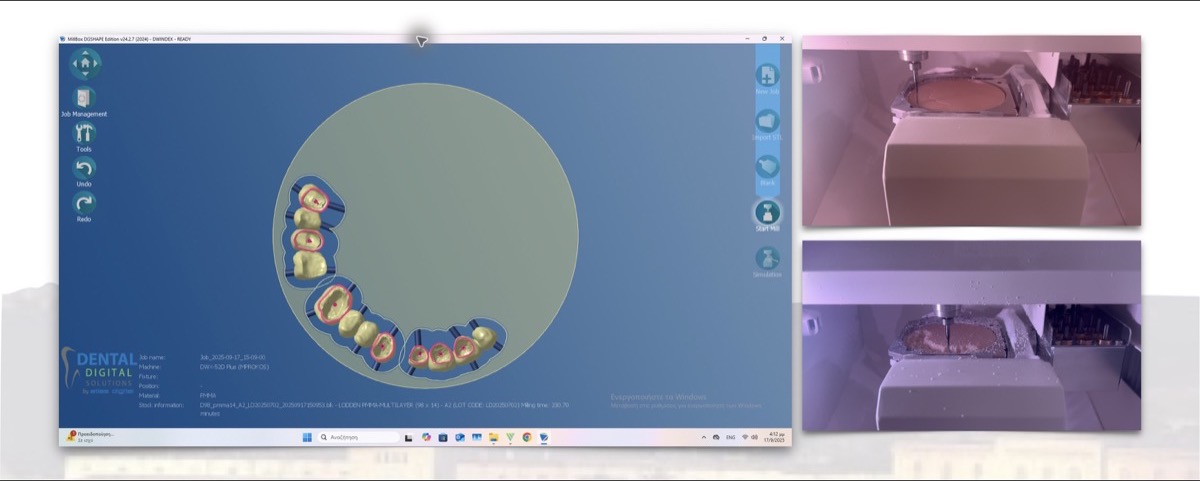
Dry milling is used for PMMA and zirconia, while wet milling is used for lithium disilicate, according to the indication and treatment plan.
Processing and firing
The restoration undergoes the steps required by the selected material before final clinical assessment.
Try-in and placement
We check fit, contacts, bite and aesthetics before final placement.
A real clinical example
The digital workflow in nine stages
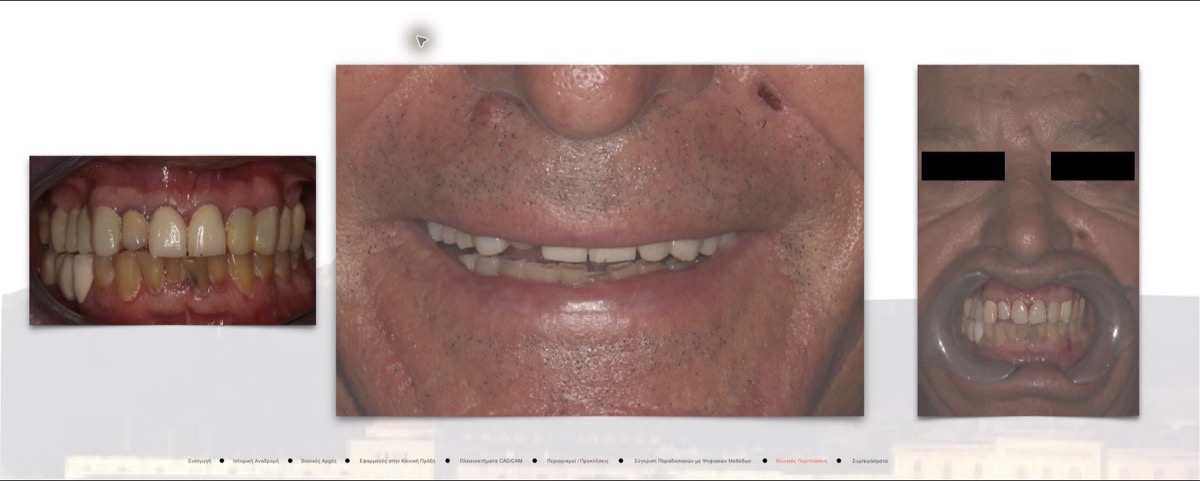
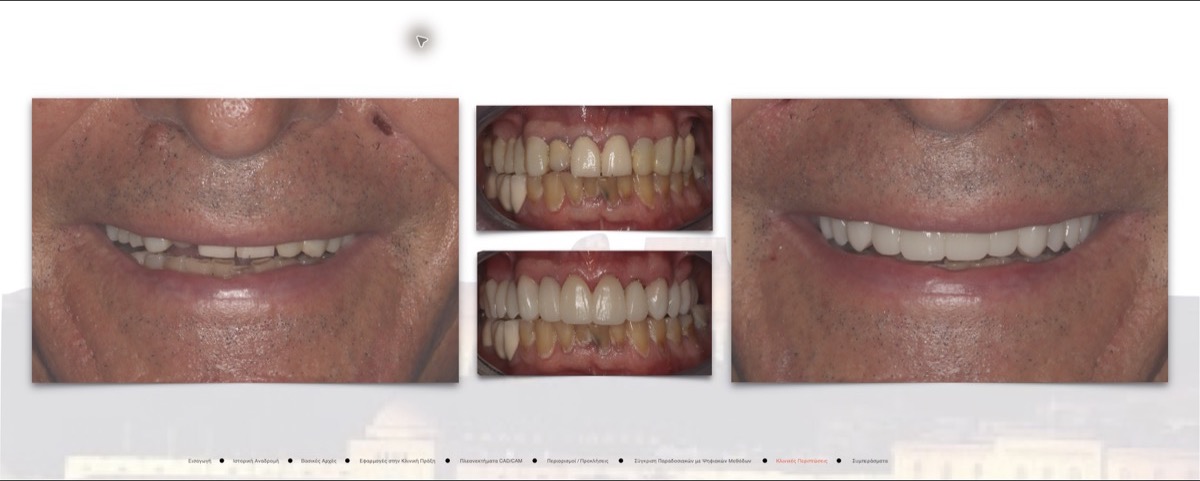
This approved sequence presents a complex upper-jaw rehabilitation: initial condition, digital records, alignment, design, provisional restoration and final result. It explains the workflow and does not promise the same treatment time or outcome for every patient.
Frequently asked questions
Can a restoration be completed on the same day?
Yes, in selected cases. Suitability depends on the condition of the teeth, the material, the extent of the restoration and the overall treatment plan.
Is same-day treatment limited to veneers and crowns?
No. The workflow can support different restorations, including monolithic zirconia restorations where indicated. The final choice follows an individual clinical assessment.
Which materials are used?
Materials used at the clinic include lithium disilicate and monolithic zirconia. Selection depends on the indications and requirements of each case.
Are provisional restorations always needed?
No. In some complex treatments, however, a provisional restoration can be an important assessment stage before the definitive restoration is made.
 English
 Ελληνικά